Relaxation Techniques and Mindfulness in November 2025: Science-Backed Ways to Reduce Stress
When you’re overwhelmed, relaxation techniques, practical methods to calm your nervous system without tools or training. Also known as stress relief practices, they work by shifting your body out of fight-or-flight mode and into rest-and-digest. You don’t need a meditation app or a weekend retreat. Just five minutes of deep breathing or tensing and releasing your muscles can reset your stress response. These aren’t new-age ideas—they’re backed by studies from Harvard, Johns Hopkins, and the American Psychological Association.
mindfulness, the simple act of paying attention to the present moment without judgment. Also known as present-moment awareness, it’s not about emptying your mind—it’s about noticing what’s happening inside you without reacting. In November 2025, we saw a clear pattern: the most effective posts didn’t push complex rituals. They focused on tiny, repeatable actions—like noticing your breath while waiting for coffee, or feeling your feet on the floor before standing up. These habits build resilience over time. And they connect directly to mental health, the state of your emotional, psychological, and social well-being. Also known as emotional balance, it’s not just the absence of anxiety—it’s the presence of calm, clarity, and control. When you practice mindfulness daily, you rewire your brain to respond differently to stress. That’s why people who stick with it report fewer panic attacks, less rumination, and better sleep.
But stress doesn’t live in your head alone. It shows up in your gut, your energy, and your appetite. That’s why healthy breakfast, a morning meal that stabilizes blood sugar and fuels your body with real nutrients. Also known as balanced morning nutrition, it’s not about protein bowls or superfood smoothies—it’s about eating something that keeps you full and focused until lunch. Skipping breakfast spikes cortisol. Eating sugar-heavy cereal crashes your energy by 10 a.m. The posts this month showed that people who ate protein, fiber, and healthy fats in the morning felt calmer, sharper, and less reactive to stress all day. It’s not magic. It’s biology.
And if you’ve tried talk therapy and still feel stuck, you’re not alone. That’s where creative arts therapies, using painting, music, or dance to process emotions when words aren’t enough. Also known as expressive therapies, they’re used in hospitals from New York to Tokyo to help people heal trauma without saying a word. One post shared how a woman with chronic anxiety found relief through drumming—not because it was fun, but because it gave her body a rhythm to follow when her mind spiraled. Another showed how sketching her fears on paper helped her see them as temporary, not permanent.
This collection isn’t about perfection. It’s about practicality. You won’t find seven-step routines or expensive tools. You’ll find five-minute breathing exercises you can do in your car. Simple breakfasts you can make with what’s already in your kitchen. Ways to calm your nervous system while brushing your teeth. These are the tools people actually use—and stick with.
Relaxation Techniques: The Ultimate Stress-Busting Guide
Learn proven relaxation techniques that actually reduce stress-deep breathing, progressive muscle relaxation, guided imagery, and mindfulness. No apps needed. Just science-backed methods you can start today.
View More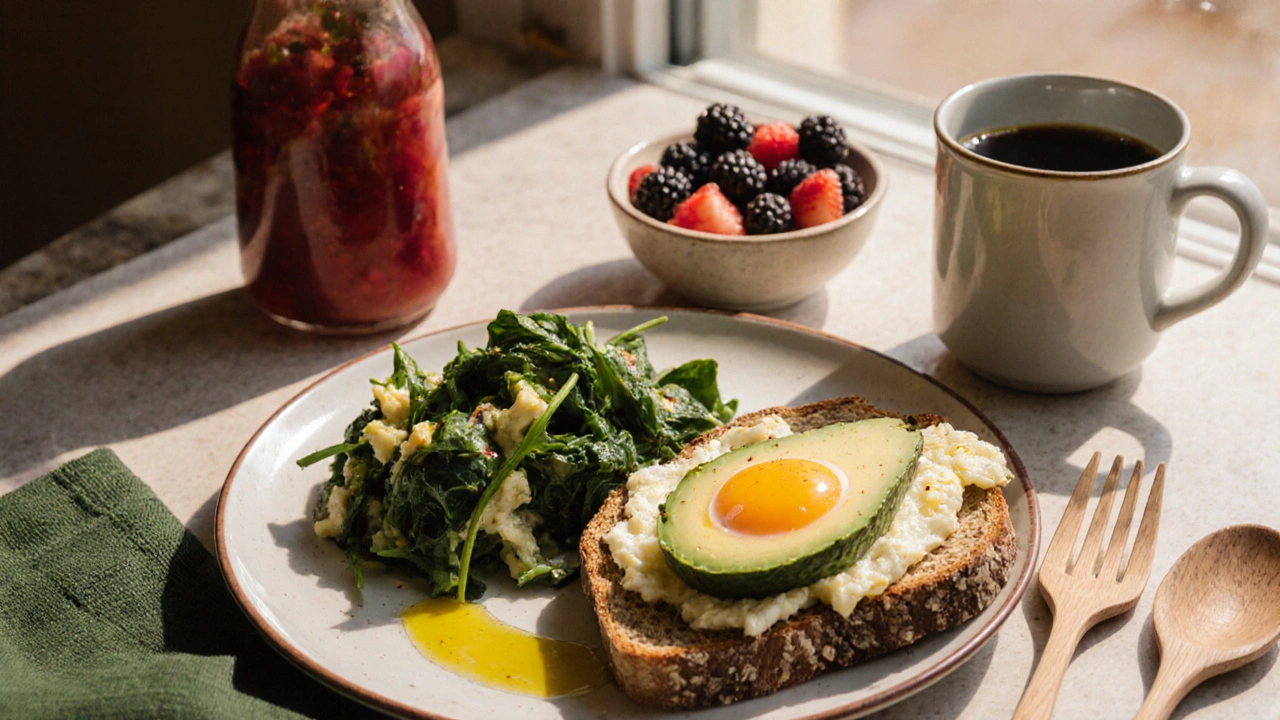
Nourish Your Body with Nutritious and Healthy Breakfast Ideas
Start your day right with simple, nutrient-dense breakfasts that stabilize energy, reduce cravings, and support long-term health. No gimmicks-just real food that works.
View More
Mindfulness and Mental Health: How Daily Practice Heals Your Mind
Mindfulness isn't magic-it's a science-backed way to calm anxiety, reduce stress, and rewire your brain for better mental health. Start with five minutes a day and see the difference.
View More
Creative Arts Therapies: How Painting, Music, and Dance Are Transforming Mental Health
Creative arts therapies like art, music, and dance therapy are transforming mental health by helping people heal trauma, anxiety, and depression without words. Backed by science and used in hospitals worldwide, they offer real relief where talk therapy falls short.
View More
Stress Reduction: Your Practical Guide to a More Mindful Life
Learn practical, science-backed ways to reduce stress through daily mindfulness-not meditation apps or retreats, but simple habits you can start today. Real calm starts with awareness, not escape.
View More
Simple Relaxation Techniques for a Stress-Free Life
Discover five simple, science-backed relaxation techniques you can use anytime to reduce stress-no equipment or extra time needed. From breathing to grounding, these methods help calm your nervous system quickly and build lasting resilience.
View More
The Science Behind a Healthy Breakfast: Facts You Need to Know
Discover the science-backed benefits of a healthy breakfast, what makes it truly nutritious, and why skipping it can hurt your energy, focus, and long-term health. Learn simple, practical ways to build a morning routine that works.
View More
Gut Health: The Foundation of Your Overall Nutrition and Well-being
Gut health is the foundation of nutrition and overall well-being. A balanced microbiome improves digestion, immunity, mood, and energy. Learn how food, stress, and lifestyle shape your gut-and how to heal it naturally.
View More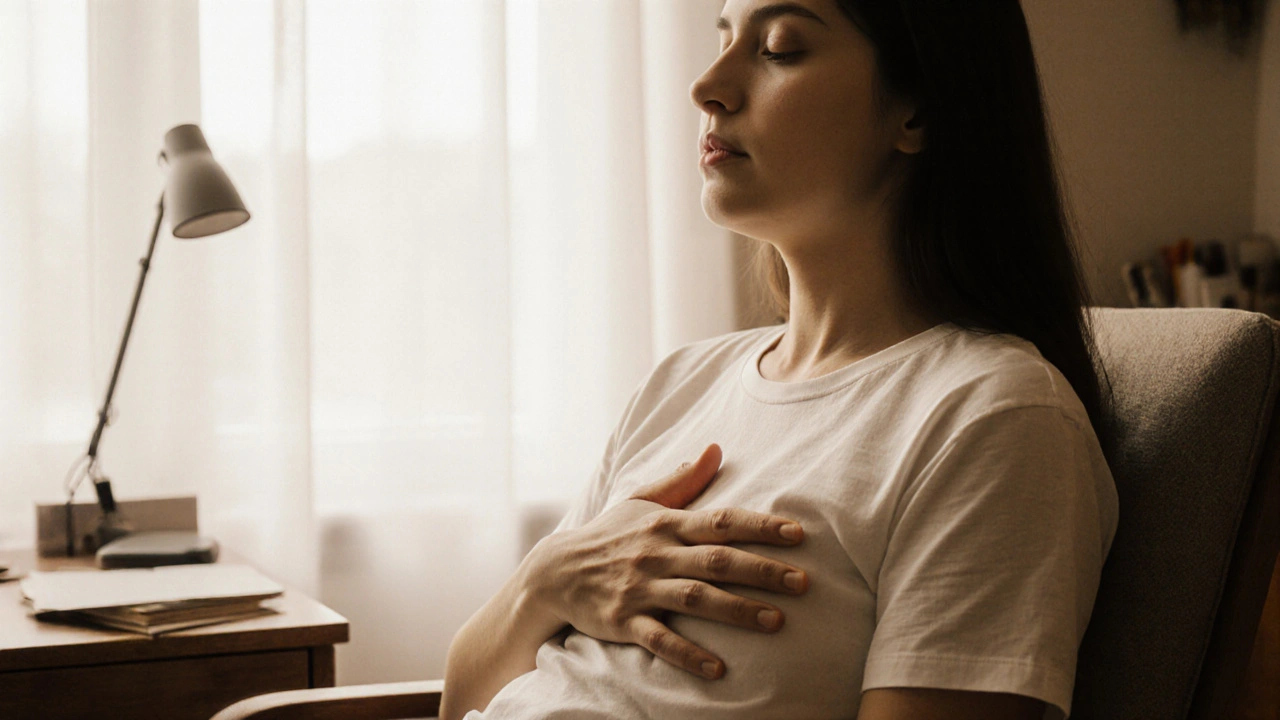
Relaxation Techniques for a Happier, Healthier You
Learn simple, science-backed relaxation techniques to reduce stress, calm your mind, and improve your daily well-being-no apps or expensive tools needed.
View More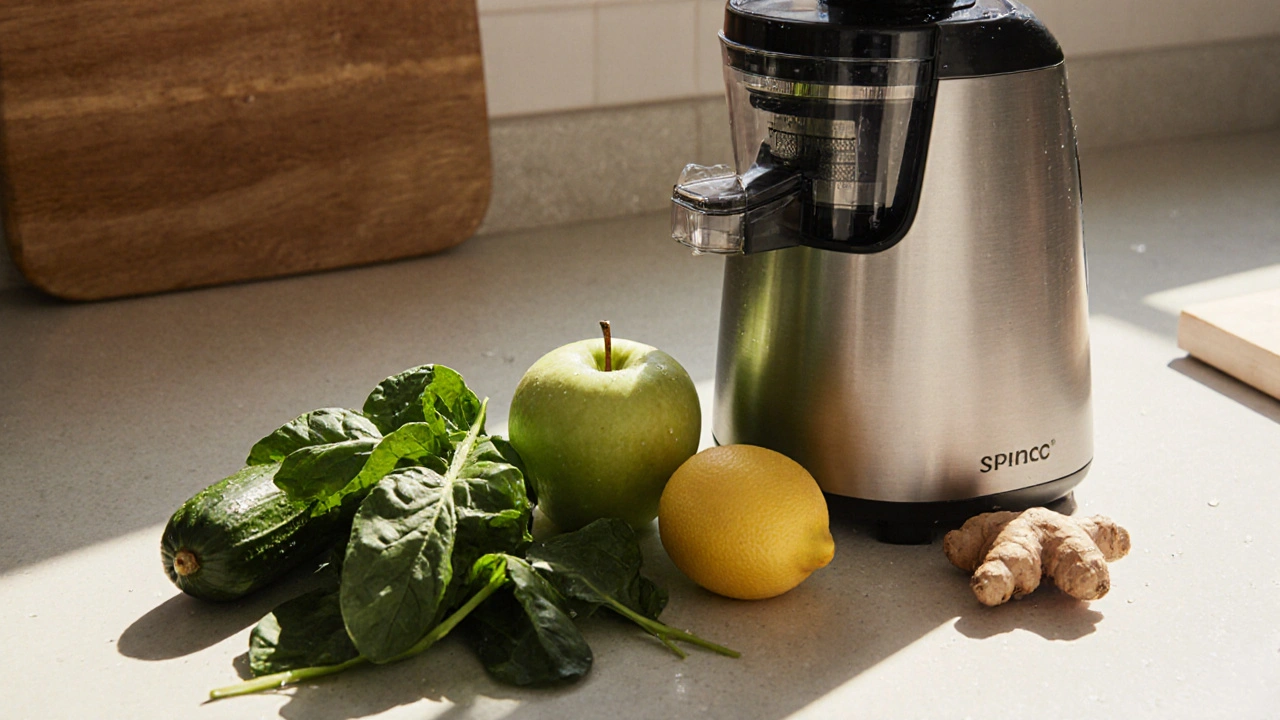
Stay Fit and Healthy with These Amazing Juice Recipes
Discover simple, nutrient-rich juice recipes that support energy, immunity, and overall health without added sugar or gimmicks. Made with fresh produce, these drinks are easy to make and perfect for daily wellness.
View More

Mar 14 2026