Expressive Therapies: How Art, Music, and Movement Heal Your Mind and Body
When you’re overwhelmed, stressed, or stuck in your thoughts, talking about it isn’t always enough. That’s where expressive therapies, a group of healing practices that use creative expression to process emotion and trauma. Also known as creative arts therapies, it works when words fall short. These aren’t just hobbies—they’re proven tools used in clinics, schools, and recovery centers to help people who can’t find the right words to say how they feel.
Think of art therapy, using drawing, painting, or sculpting to release buried emotions. You don’t need to be an artist. Just picking up crayons or clay can help your brain process grief, anger, or fear without saying a word. Then there’s music therapy, using rhythm, singing, or playing instruments to regulate mood and calm the nervous system. A simple drum circle or humming along to a song can lower cortisol and slow your heart rate—no training needed. And dance movement therapy, where guided motion helps reconnect body and mind after trauma or anxiety, turns physical tension into release. These aren’t magic tricks. They’re neuroscience-backed methods that help your body tell stories your mind can’t yet speak.
People use expressive therapies for everything—from coping with chronic illness to healing childhood trauma, managing PTSD, or just breaking free from constant overthinking. You don’t need a therapist to start. Scribbling on paper after a bad day, playing an old song that makes you cry, or dancing alone in your kitchen—these are all tiny acts of expressive therapy. The posts below show real ways people use these tools, what science says about them, and how to begin without spending a dime or waiting for an appointment. You’ll find practical guides on how art, music, and movement can rebuild your calm, one breath, one stroke, one beat at a time.
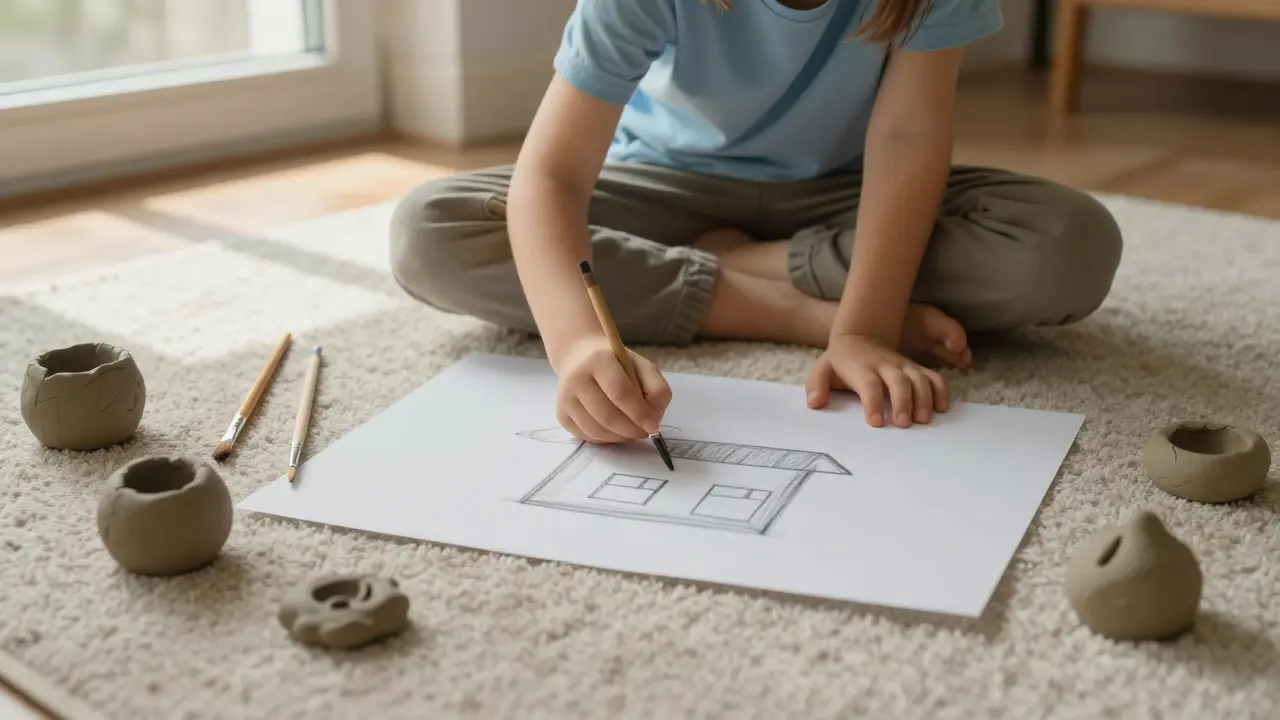
Breaking Barriers with Creative Arts Therapies: How Art, Music, and Movement Heal
Creative arts therapies use art, music, dance, and movement to heal emotional wounds when words fall short. Backed by science, they help trauma survivors, children, seniors, and anyone struggling to speak their truth.
View More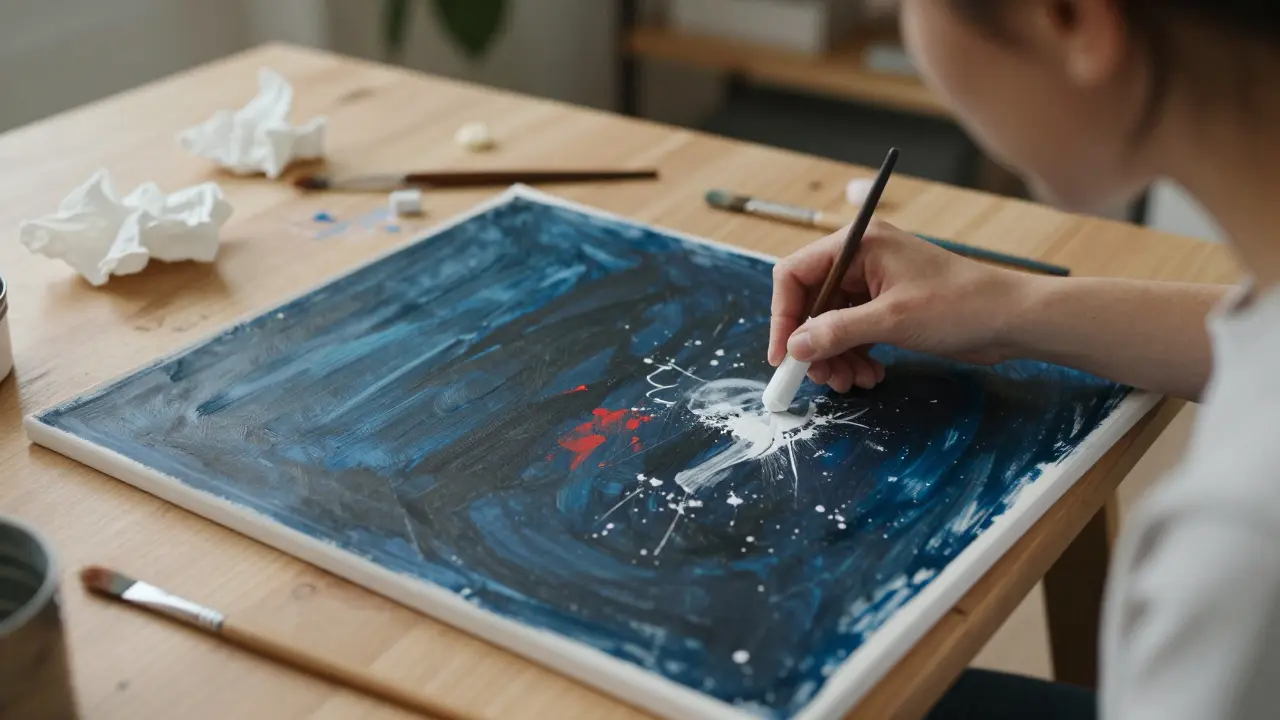
Breaking Barriers with Creative Arts Therapies: How Art, Music, and Dance Heal the Mind
Creative arts therapies use art, music, and movement to heal mental health without words. Proven to reduce anxiety, trauma, and depression, they help those who can't talk about their pain. Discover how these powerful therapies work-and who can benefit.
View More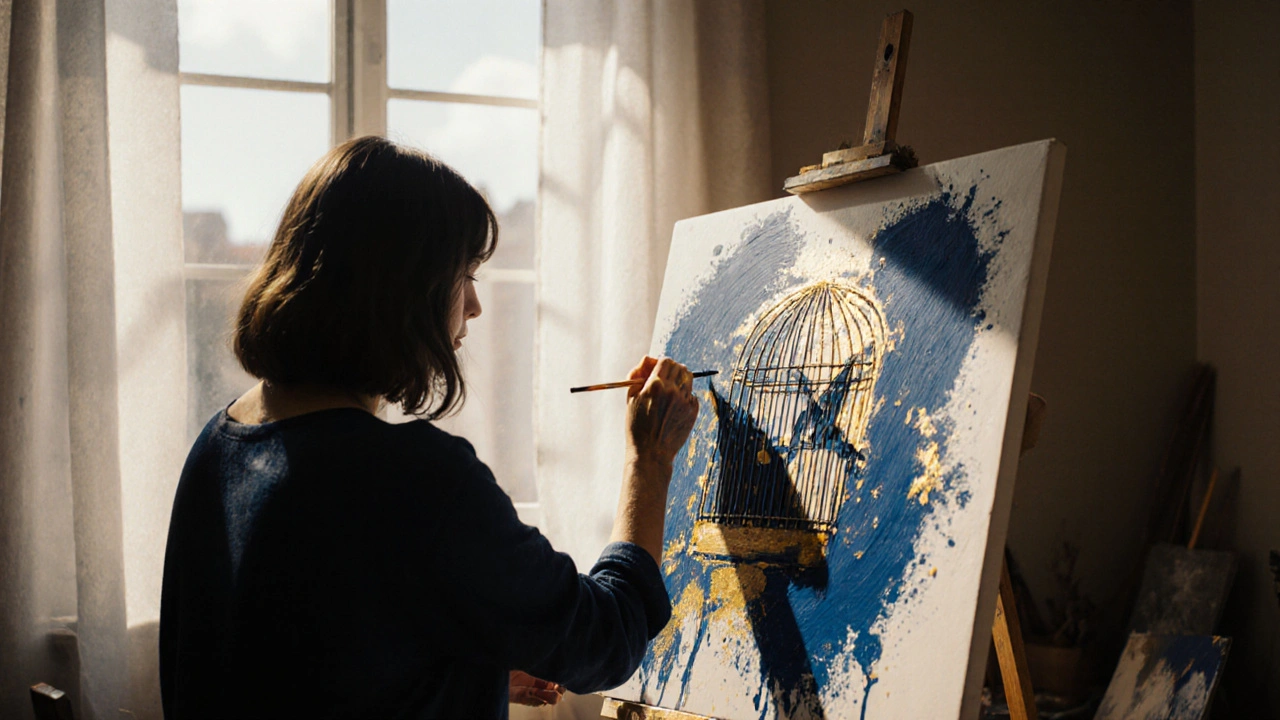
Creative Arts Therapies: How Painting, Music, and Dance Are Transforming Mental Health
Creative arts therapies like art, music, and dance therapy are transforming mental health by helping people heal trauma, anxiety, and depression without words. Backed by science and used in hospitals worldwide, they offer real relief where talk therapy falls short.
View More