Stress Management: Practical Ways to Reduce Stress and Stay Calm
Stress often pushes you toward the quickest choice, not the smartest. That costs money, sleep, and relationships. If you want clearer thinking and more energy, focus on small habits that cut stress fast.
This page gathers simple, proven stress management tools you can test today—no long retreats, no fancy gear. Pick one technique, practice it for a week, and notice what changes.
Quick fixes for immediate relief
When your chest tightens, try box breathing: inhale for four, hold four, exhale four, hold four. Do this for two minutes and watch your heart rate drop. Carry a two-minute reset: stand up, stretch your shoulders, breathe deeply, and walk to a window.
If anxiety spikes before a meeting or presentation, tighten each muscle group for five seconds then release from toes to head. That progressive muscle release clears tension and signals safety to your brain. Another quick trick: name five things you can see, four you can touch, three you can hear, two you can smell, one you can taste. It pulls attention away from panic and back to the present.
Daily habits that build real resilience
Sleep is non-negotiable for stress control. Aim for a consistent bedtime and dim screens 30 minutes before sleep. Even small gains in sleep quality make decisions easier and moods steadier.
Move every day. A 20-minute brisk walk reduces stress hormones and improves clarity. If time is tight, try three ten-minute walks: before work, after lunch, and before bed.
Set boundaries. Add a 15-minute buffer between meetings to breathe, read a message, or reset. Say no to one extra commitment this week and notice how your baseline stress softens.
Limit stimulants that ramp anxiety. Swap one afternoon coffee for water or herbal tea. Cut late-night alcohol; it fragments sleep and brings back stress the next day.
Use a simple decision rule: when overwhelmed, force a 60-second pros-and-cons check. If choices still stall, pick the option that preserves energy or reduces harm. That reduces decision fatigue and prevents stress from spiraling.
Build social anchors. Tell one friend or family member how you feel, not for solutions but for connection. Sharing reduces the load and often gives perspective faster than self-analysis.
Try one tip today. Track how you feel after three days and adjust. If one strategy sticks, layer another. Small moves add up: less reactivity, clearer choices, better sleep, and more control over your time. For targeted techniques, check articles on relaxation methods, sleep-focused routines, and quick stress hacks elsewhere on this site.
Make a three-step plan: notice, respond, review. Notice the trigger and rate your stress 1 to 10. Respond with one quick tool—breath, move, or set a boundary. Review at night: what worked, what added stress? Write one sentence about it. Repeat for seven days. That mini-habit trains your nervous system to expect solutions instead of chaos, which gradually lowers baseline stress and gives you back calm time. Start today and measure the small wins.

How to Use Calmness and Mindfulness for Effective Stress Relief
Discover how pairing calmness and mindfulness can rewire your brain to reduce stress, lower cortisol, and improve emotional regulation with practical, science-backed tips.
View More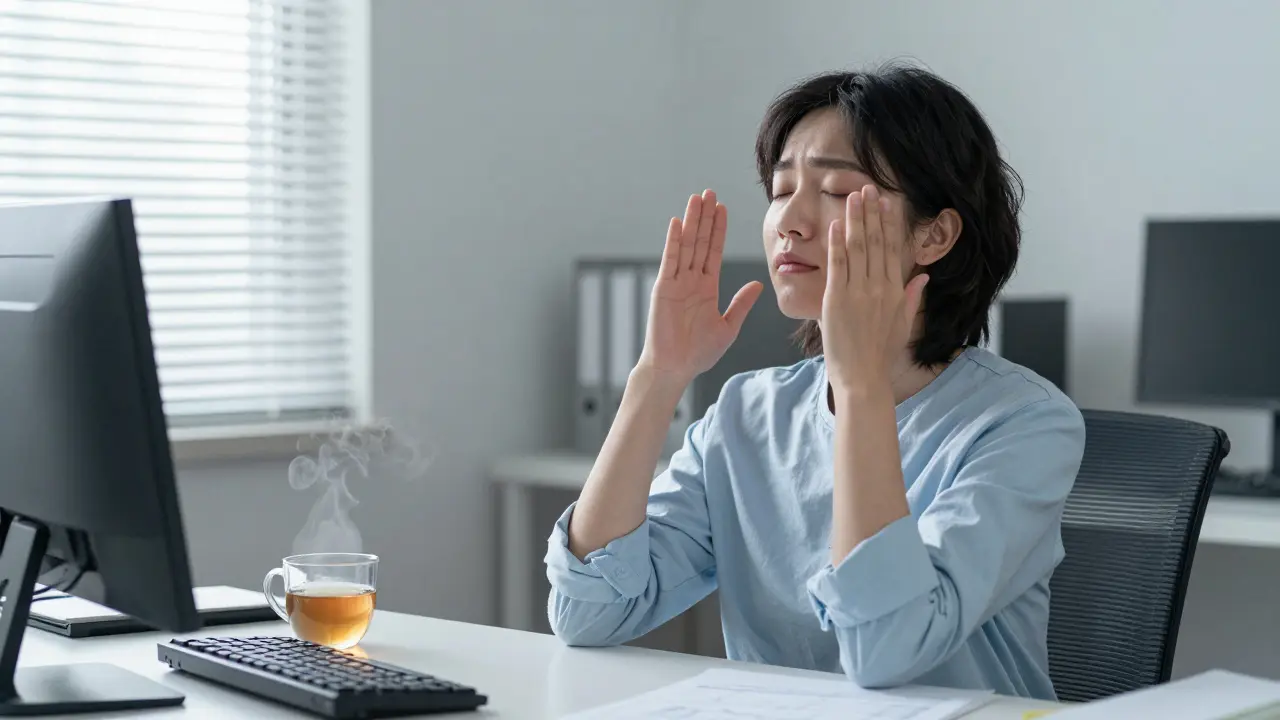
Stress Reduction Techniques That Actually Improve Focus
Stress quietly steals your focus-but simple, science-backed techniques like box breathing, digital sunsets, and the two-minute rule can restore mental clarity fast. No apps or hours needed.
View More
Biofeedback: A New Frontier in Stress Management
Biofeedback helps you manage stress by showing real-time data about your body's responses. Learn how it works, which types are most effective, and how to start using it at home without therapy or medication.
View More
5 Relaxation Techniques for Busy People: Quick Stress Relief Methods
Quick stress relief techniques for busy people. Learn diaphragmatic breathing, PMR, and mindfulness to reduce stress in minutes. Science-backed methods that fit any schedule. Start feeling calm today.
View More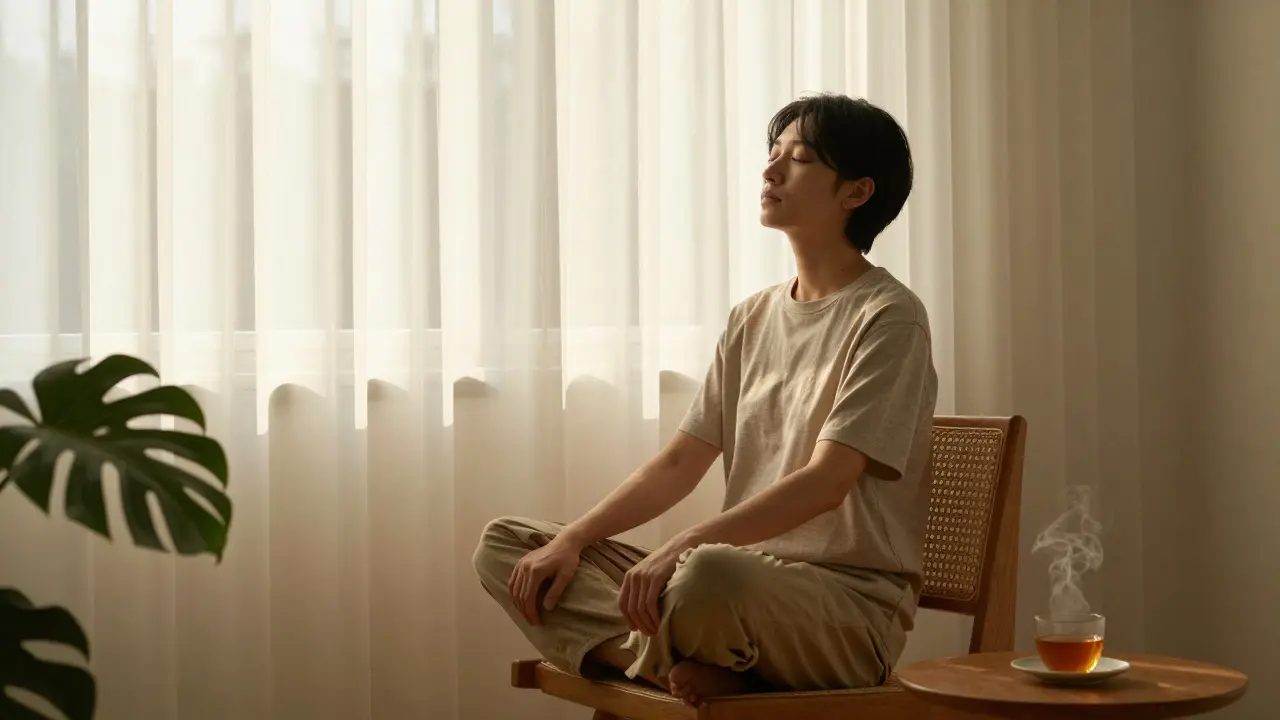
Discover the Magic of Stress Reduction Techniques That Actually Work
Discover simple, science-backed stress reduction techniques that work in real life-not just in apps or retreats. Learn how breathing, movement, and sensory resets can calm your nervous system without expensive tools or hours of meditation.
View More
Unlocking the Power of Biofeedback: A Complete Guide to Controlling Your Body’s Responses
Learn how biofeedback helps you control stress, pain, and anxiety by turning your body’s hidden signals into actionable feedback. Evidence-based, practical, and accessible for beginners.
View More
Biofeedback: How to Use Your Body’s Signals to Reduce Stress and Take Control
Biofeedback helps you control stress by turning invisible body signals like heart rate and muscle tension into visible feedback. Learn how it works, who benefits most, and how to start using it today.
View More
Relaxation Techniques: The Ultimate Stress-Busting Guide
Learn proven relaxation techniques that actually reduce stress-deep breathing, progressive muscle relaxation, guided imagery, and mindfulness. No apps needed. Just science-backed methods you can start today.
View More
Simple Relaxation Techniques for a Stress-Free Life
Discover five simple, science-backed relaxation techniques you can use anytime to reduce stress-no equipment or extra time needed. From breathing to grounding, these methods help calm your nervous system quickly and build lasting resilience.
View More
Relaxation Techniques for a Happier, Healthier You
Learn simple, science-backed relaxation techniques to reduce stress, calm your mind, and improve your daily well-being-no apps or expensive tools needed.
View More